In healthcare, incidents are inevitable. Even in organizations with highly skilled professionals, strong processes, and a commitment to quality, mistakes, near misses, and unexpected events can occur. What often distinguishes high-performing organizations from struggling ones isn’t whether incidents happen, but how leaders respond when they’re reported.
For frontline employees, reporting an incident can feel risky. They may worry about blame, disciplinary action, or damaging workplace relationships. As a result, leadership's response in the moments following a report can either strengthen trust or quietly discourage future reporting. Healthcare leaders who treat incidents as learning opportunities rather than fault-finding create an environment where employees feel safe speaking up, and patient care continues to improve.
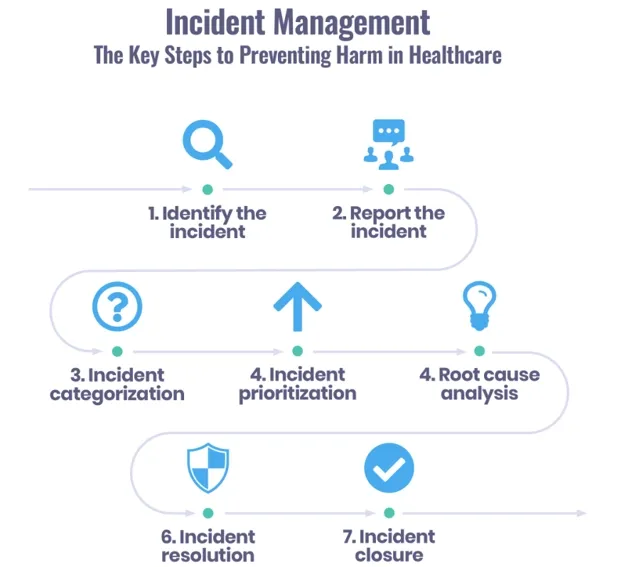
Courtesy of Performance Health Partners
Setting the Tone After an Incident
The moments immediately after a reported incident can shape an organization's culture. Employees pay close attention to how leaders react when concerns are raised. Leaders who remain approachable and composed reinforce the message that safety is everyone's responsibility.
Rather than focusing first on who made a mistake, effective healthcare leaders seek to understand what happened, what factors may have contributed to the event, and what can be learned moving forward. This approach encourages open dialogue and helps to uncover risks that might otherwise remain hidden. When employees believe their concerns will be handled fairly and professionally, they’re more likely to speak up about hazards, near misses, and opportunities for improvement.
Creating an environment where people feel comfortable raising concerns is a critical component of a strong safety culture. Healthcare organizations that foster communication and psychological safety are better positioned to identify risks, strengthen teamwork, and support continuous improvement. Leaders set the foundation for that culture through every interaction following a reported incident.
Leadership Actions That Build Trust After an Incident
Healthcare leaders can strengthen their organization's reporting culture by consistently demonstrating these behaviors:
- Thank employees for reporting concerns
- Listen before reaching conclusions
- Separate human error from reckless behavior
- Ask questions that focus on systems and processes
- Communicate next steps clearly
- Provide updates throughout the review process
- Share lessons learned whenever appropriate
- Recognize employees who help identify risks
- Encourage reporting of near misses, not just adverse events
- Model transparency and accountability during investigation
Looking Beyond Individual Mistakes
After an incident is reported, it can be tempting to focus on the actions of the individual closest to the event. While accountability is an important part of healthcare leadership, most incidents are rarely caused by a single person. More often, they occur when multiple factors intersect, such as communication breakdowns, workflow inefficiencies, staffing challenges, training gaps, technology issues, or unclear processes.
Effective leaders recognize that sustainable improvement comes from examining the entire system rather than searching for someone to blame. By asking questions about contributing factors and operational conditions, leaders gain a clearer understanding of how and why an event occurs. This broader perspective supports a culture of fairness, encourages honest reporting, and helps organizations identify risks before they lead to additional patient harm.
Organizations committed to continuous improvement use reported incidents as opportunities to strengthen processes and reduce future vulnerabilities. When leaders focus on learning instead of fault-finding, teams become more willing to share concerns, participate in problem-solving, and contribute to safer patient care. The most successful healthcare organizations understand that meaningful improvement happens when lessons learned are translated into actions that enhance both patient and workforce safety.
Turning Reported Incidents into Organizational Improvement
Organizations that successfully improve safety use reported incidents to guide future decision-making and continuous improvement. When employees see visible improvements resulting from their reports, confidence in the reporting process grows. Over time, this creates a positive cycle in which more concerns are raised, more risks are identified, and more opportunities for improvement emerge. Leaders should establish a structured process that transforms reports into measurable action. Effective follow-up often includes:
- Reviewing incidents promptly
- Conducting thorough investigations when necessary
- Identifying trends across departments or locations
- Sharing findings with employees
- Updating policies or workflows
- Providing targeted education and training
- Measuring whether corrective actions are producing results
- Monitoring for recurring patterns or risks
A Defining Leadership Responsibility
Healthcare professionals are more likely to thrive in workplaces where communication is encouraged, concerns are taken seriously, and leaders respond with transparency and accountability. Every reported incident provides valuable insight into potential risks and opportunities for improvement. When healthcare leadership uses those insights to strengthen processes and improve outcomes, they build trust among employees and create a safer environment.
Express Healthcare Staffing helps healthcare organizations support these efforts by providing skilled professionals who are committed to following facility protocols, reporting safety concerns appropriately, and contributing to a culture focused on quality care and continuous improvement. Express Healthcare Staffing After Hours Call Center, based out of our international headquarters in Oklahoma City, OK, provides a live staffing and recruitment support team as an extension of our local offices after business hours. Current hours are Friday 5 p.m. – Monday 8 a.m. Central. Hours may be extended during the summer months. You can access the After-Hours Call Center by calling your local Express Healthcare office, and you will automatically be transferred to our support team.
About Express Healthcare Staffing
Express Healthcare Staffing is in the business of people. We support local hospitals, clinics, and long-term facilities with exceptional medical professionals seeking new career opportunities. Through an individual approach to healthcare staffing, we help ensure the right fit for both the facility and the professional. For more information, visit ExpressHealthcare.com/Employers or ExpressHealthcare.ca/Employers. Find the location nearest you in the U.S. or Canada.